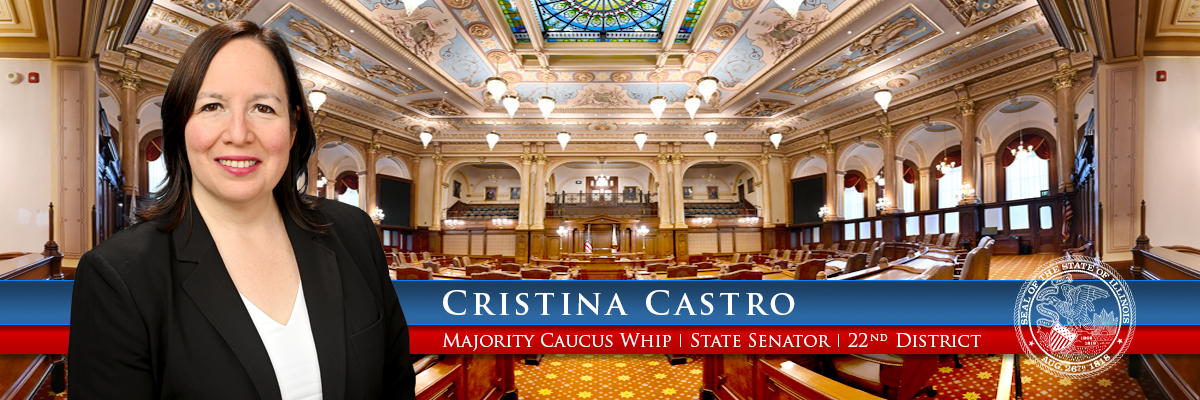
New Castro law to support craft distilleries, make cocktails-to-go permanent
- Details
- Category: Uncategorised
 SPRINGFIELD — A new law led by State Senator Cristina Castro will make a temporary “cocktails to-go” state law permanent and create new rules to allow more small Illinois distilleries to self-distribute spirits.
“Supporting restaurants and bars is also supporting small distilleries and local producers across the state,” said Castro (D-Elgin). “We want to make sure local businesses have the easiest path possible to operate, succeed and create jobs in our communities.”
Senate Bill 618 creates a class 3 craft distiller’s license, which allows distilleries to manufacture up to 100,000 gallons of spirits annually. These licensees can then apply for the ability to self-distribute up to 2,500 gallons annually.
Castro’s law also makes permanent a temporary law permitting bars and restaurants to sell cocktails and mixed drinks for delivery and curbside pickup — often referred to as “cocktails to-go.”
To ease barriers for small businesses seeking a liquor license, the new law eliminates the requirement for a business applying for a liquor license to provide a tax bond during the application process. On average, a tax bond costs small craft manufacturers or distributors $500 to obtain from a financial institution, creating another monetary barrier for those seeking to start or expand their business.
Senate Bill 618 was signed into law Friday and takes effect July 1, 2026.
Castro-backed immigration enforcement bill signed into law
- Details
- Category: News
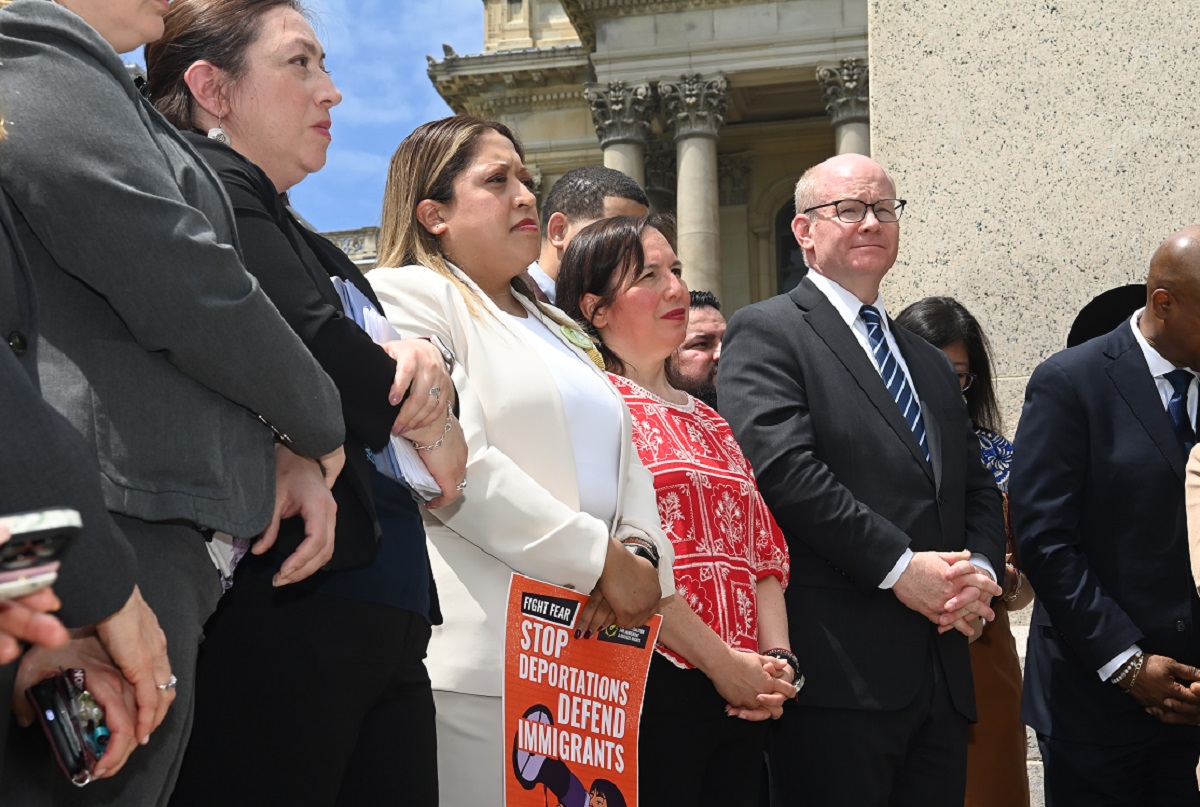 After federal immigration agents arrested a suburban community college student while on campus this September, State Senator Cristina Castro supported a new law protecting Illinois residents in locations such as daycares, hospitals and college campuses amid ongoing federal raids.
“Our immigrant neighbors have remained in the crosshairs of this federal administration for daring to reach for the American Dream,” said Castro (D-Elgin). “This law makes good on the promise that all people, no matter their immigration status, are able to pursue that dream without fear.”
The law encompasses initiatives to protect Illinois residents’ constitutional rights and ensure safe access to public spaces amid increasingly aggressive violations of those rights across the state.
Castro backs bill upholding property tax relief for seniors
- Details
- Category: News
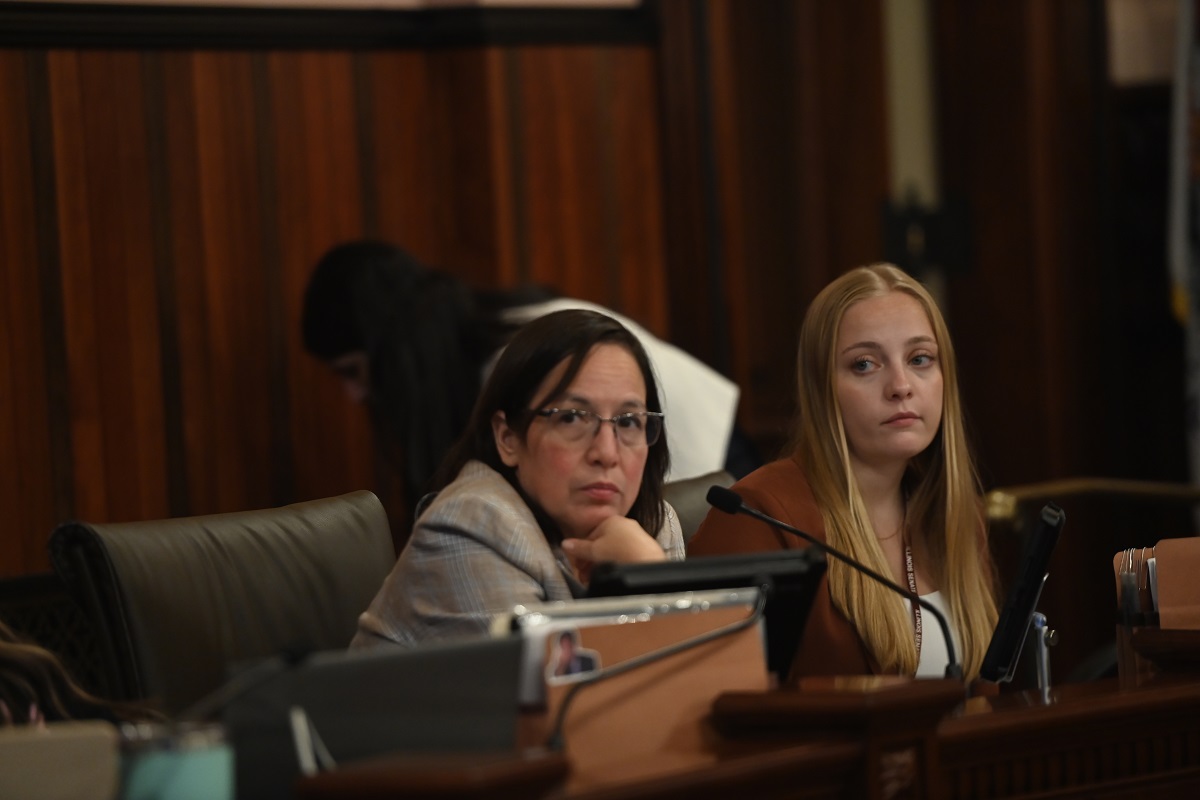
SPRINGFIELD — State Senator Cristina Castro backed a property tax relief package that increases property tax exemption thresholds for senior citizens in Illinois.
“We have a duty to uplift our most vulnerable communities, especially seniors who have worked hard to stay in their homes and provide for their families,” said Castro (D-Elgin). “This bill will increase the number of seniors who can qualify for property tax relief and ensures older adults are well protected during these times of increased cost of living.”
Senate bill 642 would deliver critical updates to help seniors on fixed incomes and help families facing economic challenges manage rising property tax costs. Under the measure, the maximum income limit for the Low-Income Senior Citizens Assessment Freeze Homestead Exemption would increase substantially over the next several years, beginning at $75,000 for taxable year 2026, increasing to $77,000 for taxable year 2027 and settling at $79,000 for taxable year 2028 and beyond.
To address gentrification issues, it would also add an occupancy requirement, stating seniors must have owned and lived in their home for at least three years. This expanded threshold would allow thousands of additional seniors across Illinois to qualify for the property tax freeze – helping them stay in their homes and maintain financial security as the cost of living continues to rise.
The bill would also create a new property tax repayment plan, giving counties the authority to establish structured payment options for homeowners with unpaid taxes. For the 2025 tax year, unpaid taxes would begin accruing interest at a reduced rate, providing taxpayers more time and flexibility to meet their obligations without facing harsh penalties. Counties would be able to offer payment plans during the redemption period and waive interest penalties for participants who comply with their plan’s terms – making it easier for older adults to recover from temporary financial setbacks.
Senate Bill 642 passed the Senate and heads to the governor for further consideration.
Castro applauds new training center for IATSE Local 2
- Details
- Category: News
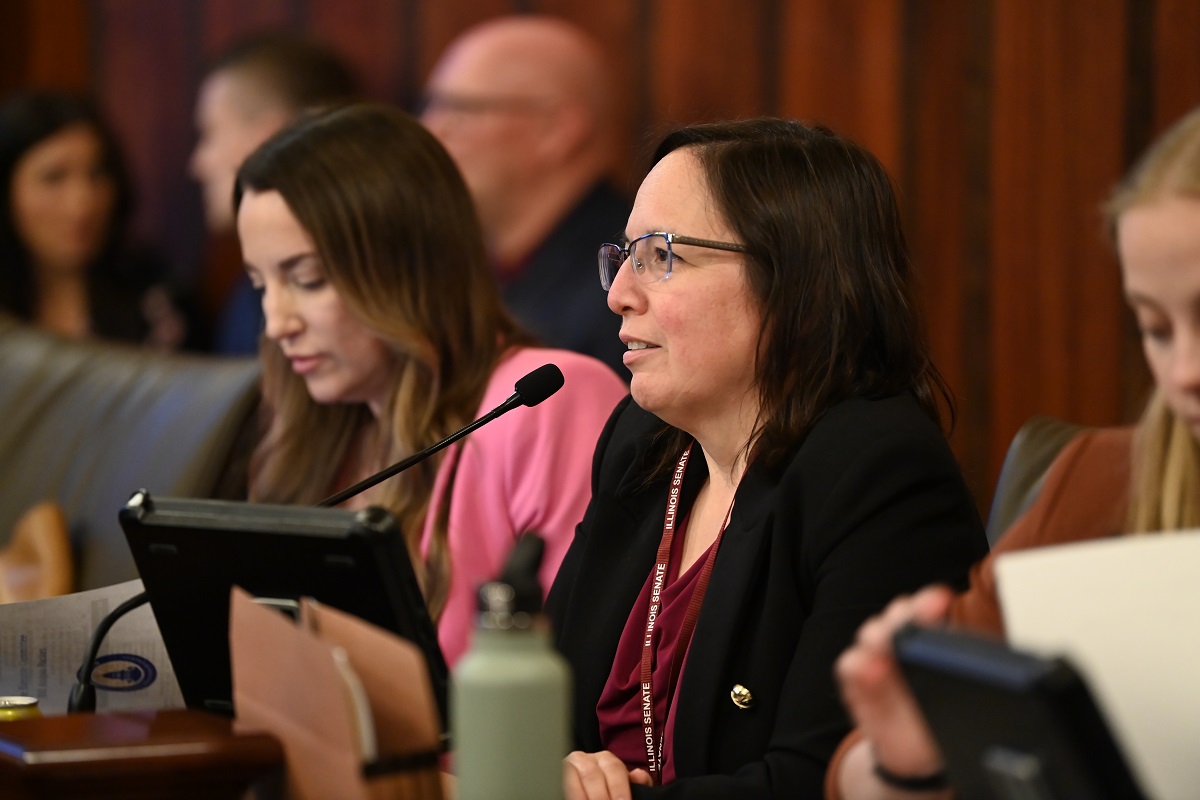 CHICAGO— State Senator Cristina Castro celebrated Thursday’s opening of a new training center for film production crews within the Illinois Alliance of Theatrical Stage Employees Local 2, which was supported by a $5 million grant Castro secured.
“Securing funding for this project has been an accomplishment on behalf of Illinois’ economy,” said Castro (D-Elgin). “Providing high-quality and well-paying jobs will demonstrate continued relief for working families.”
Castro sponsored Senate Bill 1911 that strengthens the state’s film and TV community by expanding the Illinois Film Production Tax Credit. The expansion will support good-paying jobs throughout the state with numerous enhancements including an increased tax credit for local labor and Illinois vendors, incentives to relocate TV series to Illinois, regional production bonuses, and more.
Illinois’ film production expenditures reached $653 million in 2024 – the second-highest expenditure total in state history – along with estimated wages of $351 million and 18,200 estimated hires in the industry (excluding extras). The high expenditures demonstrate Illinois’ ability to bounce back in the wake of the strikes that halted production in 2023.
“If you’ve been to a great show or concert — or seen Chicago looking magnificent on the screen — it was made great in large part because of the work of IATSE Local 2,” said Senate President Don Harmon (D-Oak Park). “This facility ensures they’ll continue leading the way in skill, safety and innovation, preparing the next generation of professionals for the high-tech, high-skill jobs that quite literally keep the show going.”
More information about the state’s film incentives can be found here.
More Articles …
Page 1 of 118
Welcome
Dear Friends,
Thank you for visiting my legislative website. It is my honor to serve the citizens of the 22nd Senate District in the Illinois General Assembly. On this website, you can learn a little bit about me, my record in the General Assembly and the services I can provide you.

State Senator Cristina Castro
Majority Caucus Whip
22nd Senate District

Follow Sen. Castro




eNewsletter Signup
Contact Info
District Office:
164 E. Chicago St.
Suite 201
Elgin, IL 60120
847-214-8864 phone
Springfield Office:
121-C Capitol Building
Springfield, IL 62706
217-782-7746 phone


