Castro-supported legislation to pause annual property tax sale timeline
- Details
- Category: Uncategorised
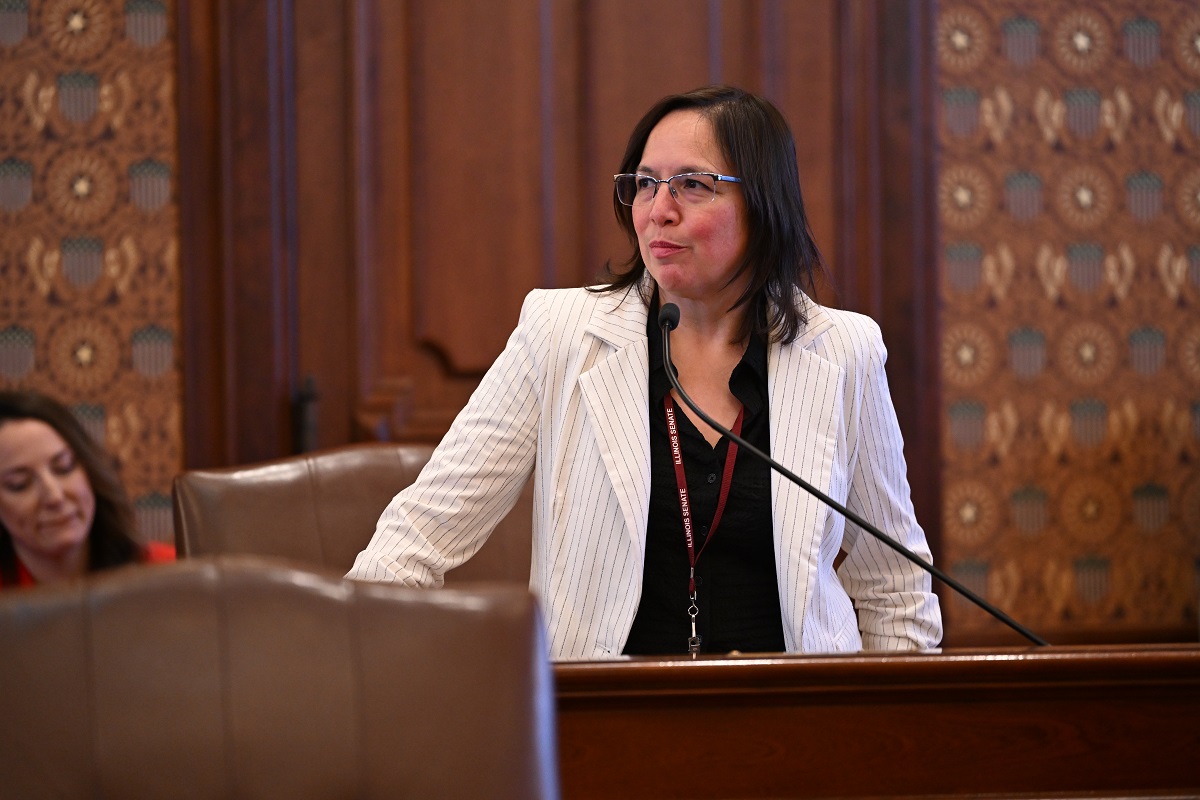 SPRINGFIELD – State Senator Cristina Castro is supporting legislation aimed at giving the state additional time to protect homeowners from losing their home’s equity during the property tax sale process.
“Working families are feeling the economic pressure – from property tax bills to the rising cost of living,” said Castro (D-Elgin). “We need to shift that burden from their shoulders, and this legislation represents an opportunity to make these necessary changes to the property tax sale system.”
When homeowners fall behind on their property taxes, it can place them in a vulnerable position where they can lose their residence during a tax sale. Many lose their homes due to minimal debt, sometimes owing less than $1,000. Currently, when a home is sold at a tax sale, investors keep the extra value of the property while working families lose out after having spent years building that equity.
House Bill 598 would push the start date of the annual property tax sale process back from March 10 to Dec. 1, 2026. Delaying the start date aims to give Illinois more time to address issues with the Cook County property tax sale system and ensure taxpayers’ rights are being considered.
“Losing your home while struggling financially is not what the American Dream looks like,” said Castro. “Delaying the tax sale process is not only right, it is responsible as it presents the opportunity to create more long term-solutions to our property tax problem.”
House Bill 598 passed the Senate on Thursday.
Castro-led ban on credit card ‘swipe fees’ upheld by federal court
- Details
- Category: Uncategorised
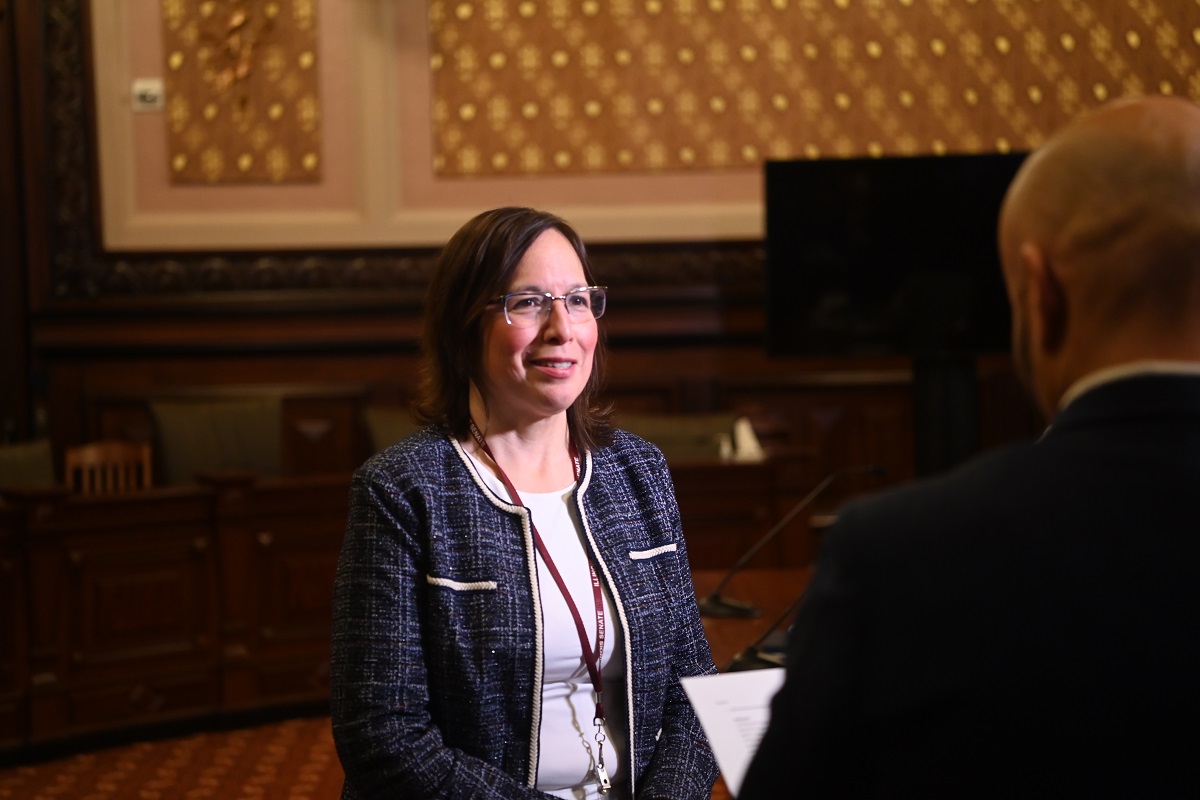 ELGIN – State Senator Cristina Castro celebrated a federal court’s recent decision upholding the Illinois Interchange Fee Prohibition Act, paving the way for Illinois to become the first state in the nation to ban financial institutions from charging electronic processing fees on the tax and tip portions of credit and debit card transactions.
“This initiative will benefit small businesses and consumers across the state,” said Castro (D-Elgin). “This law sends a clear message that Illinois will not waver in its commitment to safeguard the pocketbooks of our hardworking residents, and it will deliver the largest relief for Main Street businesses in decades.”
The Castro-backed measure – which was signed into law in 2024 as part of House Bill 4951 – will prohibit financial institutions from charging interchange fees – commonly known as “swipe fees” – on the tax and tip portions of debit and credit card transactions in Illinois.
Currently, retailers pay swipe fees on the base price of an electronic transaction and on the sales tax they collect for the state. These are hidden costs paid by merchants to banks and credit card companies for processing card transactions. The Interchange Fee Prohibition Act responds to these hidden costs, aiming to provide relief for customers at the checkout and promote economic fairness for merchants, retailers and small businesses across Illinois.
“The importance of ensuring transparency for consumers by removing hidden costs cannot be understated,” said Castro. “I’m pleased this ruling will allow us to use all the tools we have available to help bring down the cost of living for working families.”
The Interchange Fee Prohibition Act will go into effect July 1, 2026.
Castro leads the charge on cellphone ban in classrooms
- Details
- Category: Uncategorised
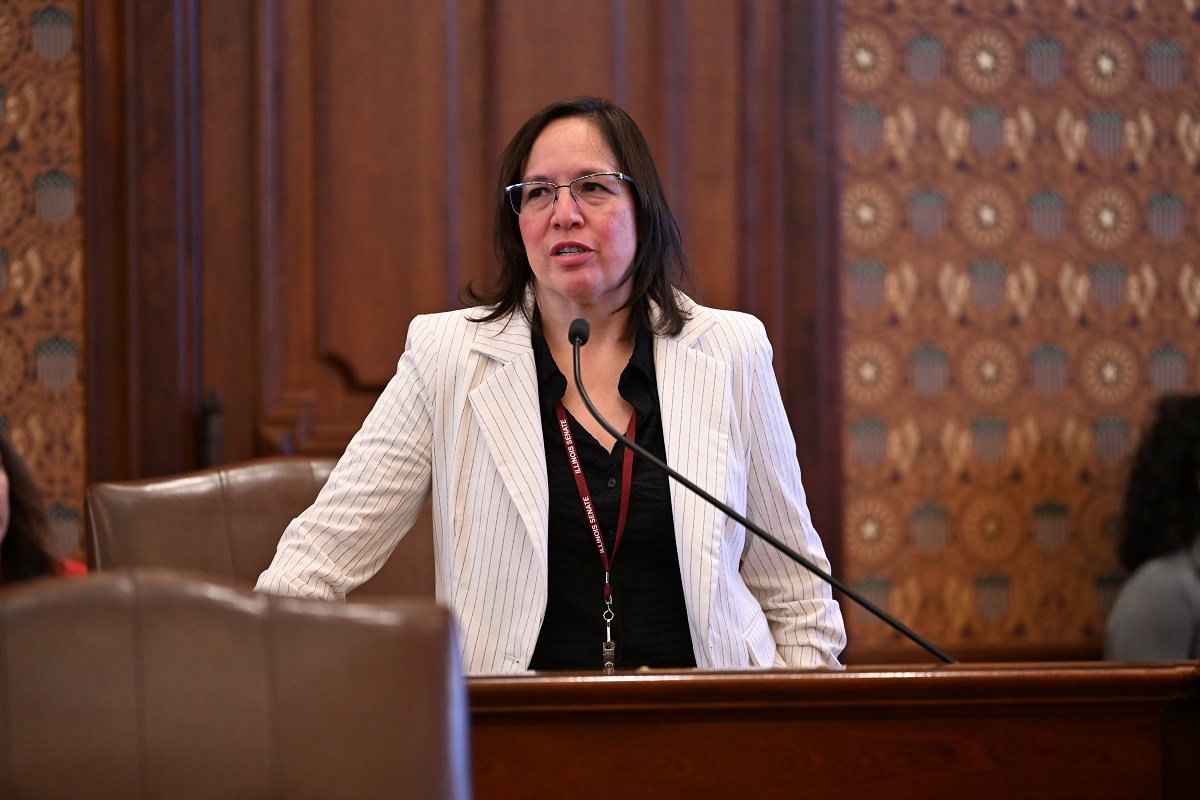 OAK PARK - State Senator Cristina Castro held a press conference alongside Governor JB Pritzker to advocate for legislation she’s spearheading that would prohibit cellphones in classrooms.
“Every student in Illinois deserves a quality education in a productive and welcoming setting,” said State Senator Cristina Castro (D-Elgin). “Reducing the harms of constant cellphone usage by students in the classroom supports academic achievement and ensures the best environment possible for learning and growth.”
Nearly 75% of high school teachers say cellphone distraction in their classroom is a major problem. Castro is spearheading Senate Bill 2427 to support learning environments where teachers can focus on teaching and students can focus on learning. The measure would require school districts in Illinois to adopt a policy limiting the use of wireless communication devices on school grounds during the day – from “bell to bell.”
The legislation calls for exceptions for students with medical needs – including students with disabilities – as well as student caregivers and English language learners who need their device to access learning materials or otherwise facilitate communication.
Additionally, this legislation would empower school districts to carve out their own exceptions, such as allowing cellphone access during lunch, in the event of an emergency, or when teachers have authorized cellphone use for educational purposes.
“Our state flourishes when our students are given the best chance to succeed,” said Castro. “Being able to collaborate with the governor and my colleagues on this bill sends a clear message to our families: our kids come first.”
Senate Bill 2427 has passed the Senate and awaits consideration in the House.
Castro exige un presupuesto responsable que ayude a los residentes de Illinois a prosperar
- Details
- Category: Español
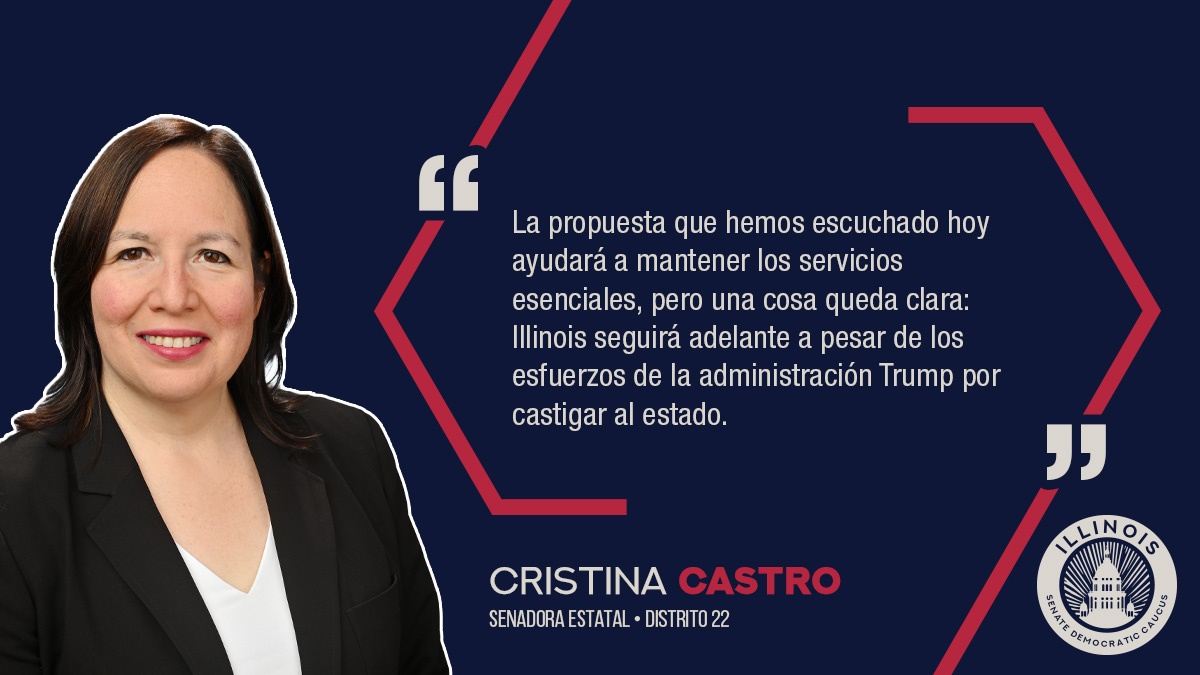 SPRINGFIELD — Después de que el gobernador JB Pritzker diera a conocer su propuesta de presupuesto para el próximo año fiscal, la senadora estatal Cristina Castro (D-Elgin) emitió la siguiente declaración:
“La propuesta que hemos escuchado hoy ayudará a mantener los servicios esenciales, pero una cosa queda clara: Illinois seguirá adelante a pesar de los esfuerzos de la administración Trump por castigar al estado.”
“En medio de un momento de gran incertidumbre a nivel federal, debemos mantener nuestros compromisos con las personas a las que representamos en educación, salud y vivienda para garantizar que nuestro estado siga prosperando y que las comunidades menos representadas sigan siendo visibles.
“Las inversiones propuestas en ayudas económicas para estudiantes universitarios, ayudas para el pago inicial de viviendas para compradores por primera vez y ayudas para la vivienda accesible dejan claro que nuestras prioridades comunes son seguir mejorando la situación de las familias trabajadoras. Illinois seguirá invirtiendo en oportunidades que proporcionen un sentido del sueño americano a las personas que anhelan ser dueños de una vivienda por primera vez, mantener a sus familias y alcanzar una educación universitaria.
"Durante los próximos meses, trabajaré con mis colegas para negociar un presupuesto final que sea proactivo, responsable y mantenga el apoyo a los programas, servicios e instituciones en las que confían mis constituyentes."
More Articles …
Page 2 of 121
Welcome
Dear Friends,
Thank you for visiting my legislative website. It is my honor to serve the citizens of the 22nd Senate District in the Illinois General Assembly. On this website, you can learn a little bit about me, my record in the General Assembly and the services I can provide you.

State Senator Cristina Castro
Majority Caucus Whip
22nd Senate District

Follow Sen. Castro


eNewsletter Signup
Contact Info
District Office:
164 E. Chicago St.
Suite 201
Elgin, IL 60120
847-214-8864 phone
Springfield Office:
121-C Capitol Building
Springfield, IL 62706
217-782-7746 phone


