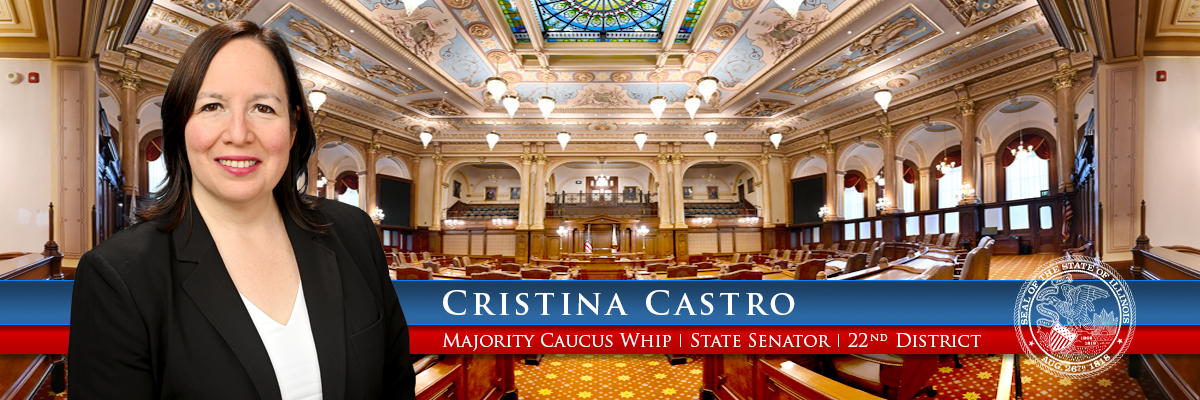
Welcome to Senator Cristina Castro's legislative website
Castro-led ban on cellphones in schools heads to governor
- Details
- Category: Uncategorised
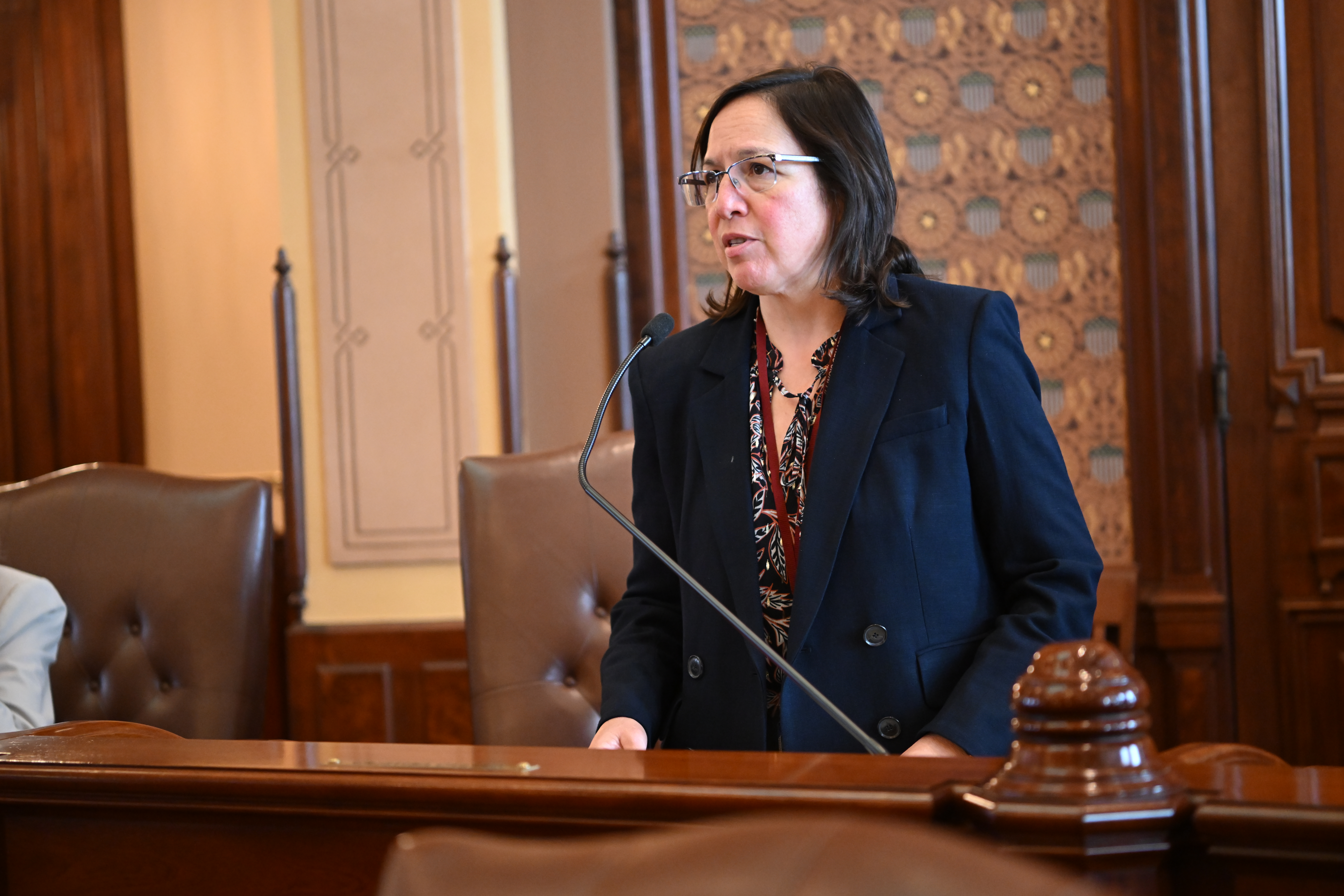
SPRINGFIELD — To keep students engaged in the classroom and promote better academic outcomes, State Senator Cristina Castro sponsored a measure that would ban cellphones during school time.
“Academic success depends on students being present during class so they can perform their best,” said Castro (D-Elgin). “Keeping students’ minds engaged with teachers ensures a productive classroom environment.”
Senate Bill 2427 would call on each school district in Illinois to adopt a policy prohibiting students from using wireless communication devices during school time – often referred to as a “bell-to-bell” ban on cellphones during the school day. Castro’s measure would require the Illinois State Board of Education to publish a template wireless communication device policy by Sept. 1, 2026. This would provide guidance for local school districts when implementing their own policies.
Recognizing that the needs of each student are unique, students who need access to a device for medical purposes, accommodation plans, language access or because they are a caregiver would be exempt. The measure would allow school districts to exclude lunch and passing periods for high school students if it fits the needs of their community. To ensure students are not met with restrictive punishments that set academic progress back, this legislation would prohibit schools from enforcing their cellphone policies via expulsions, suspensions, fines, tickets or citations.
The measure is in part modeled after examples being set by some local school districts that have already instituted a “bell-to-bell” ban, such as Elgin School District U-46 and Hinsdale School District 86. Many other states, including Florida and Minnesota, have passed laws restricting the use of cellphones in schools.
“It is time we help students rediscover their passion for learning and ability to stay present in the classroom,” said Castro. “Teachers and students should be able to collaborate effectively without distractions standing in the way.”
Senate Bill 2427 passed the Senate on Sunday and heads to the governor for final approval.
Castro advances legislation for local oversight of charter schools
- Details
- Category: Uncategorised
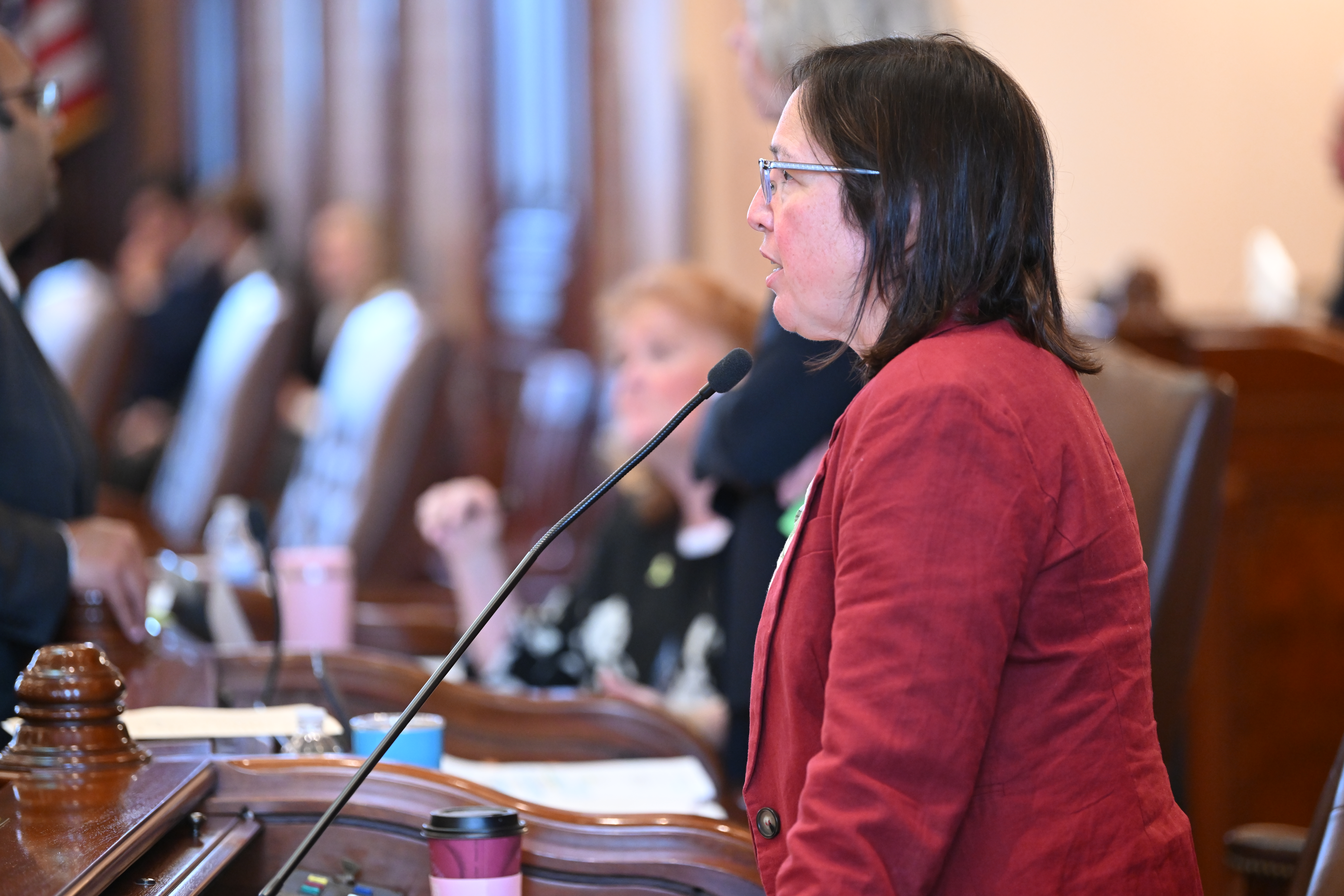
SPRINGFIELD — State Senator Cristina Castro advanced a plan to establish a pilot program for local school charter authorization.
“Accountability should be at the forefront when making decisions about students’ education,” said Castro (D-Elgin). “Having educational decision makers with their ears to the ground will allow them to better advocate for students’ needs.”
The vast majority of charter schools in Illinois are locally authorized – meaning they apply directly for authorization with their local school board. State-authorized charter schools apply for authorization through the Illinois State Board of Education rather than their local school board. Because current law does not allow school board oversight of state-authorized charter schools, Castro’s legislation aims to create a pilot program to provide this mechanism for two suburban state-authorized charter schools.
Senate Bill 4040 would establish a local charter authorization pilot program, which would return control of two schools – Elgin Math and Science Academy and Prairie Crossing Charter School – to the school boards covering those districts. Any revocation of charter school contracts made by the local school board would have a path to be appealed through the Illinois State Board of Education.
This bill is intended to promote collaboration between charter schools and school boards, creating greater oversight in charter school education and providing increased feedback opportunities from families and community members that reside within those local school districts.
“Giving local school boards and districts a seat at the table promotes progress,” said Castro. “We need transparency and accountability to ensure every student has access to high-quality educational opportunities.”
Senate Bill 4040 passed the Senate on Thursday.
Castro champions vision care regulation and transparency
- Details
- Category: Uncategorised
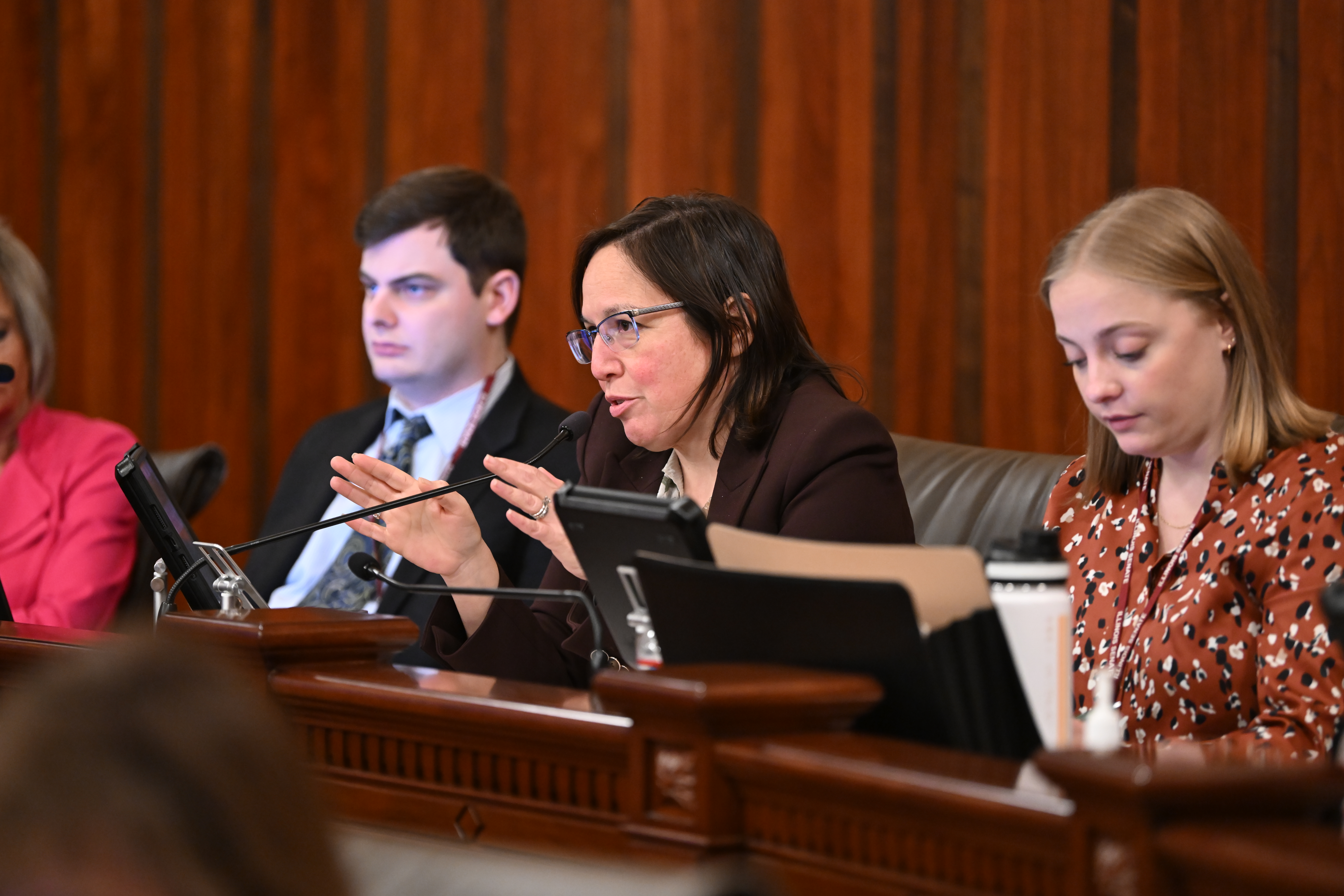
SPRINGFIELD — State Senator Cristina Castro led a measure through the Senate that would provide enhanced regulations for vision care organizations.
“Vision care organizations limit patient choice and restrict competition when they are allowed to avoid the law,” said Castro (D-Elgin). “When accountability, compliance and transparency are put first, patients have their needs met and small providers don’t suffer in the presence of monopolies.”
Vision care organizations are third-party entities that administer vision insurance benefits, negotiate provider networks, and determine reimbursement rates and coverage policies on behalf of insurers, employers or other health plans. Over time, vision care organizations have gained control of the vision care marketplace. The two largest companies control approximately 85% of all U.S. vision coverage and are vertically integrated, meaning they administer vision plans while also owning eyewear manufacturing. This practice puts small and local eye clinics out of business, discouraging competition.
Current law regulates vision benefits and vision care plans but not vision care organizations – leading Castro to champion a measure to protect patients and the coverage they rely on.
Senate Bill 3707 would expand patient and provider protections, including providing enrollees with more freedom to choose in-network providers without influence from vision care organizations and preventing vision care organizations from retaliating against eye care providers.
“Loopholes in our vision care plans allow vision care organizations to slack off in the care of the public,” said Castro. “Eliminating those loopholes ensures parity for Illinoisans needing vision care.”
Senate Bill 3707 passed the Senate on Thursday.
Castro works to expand benefits and transparency in vision care
- Details
- Category: Uncategorised
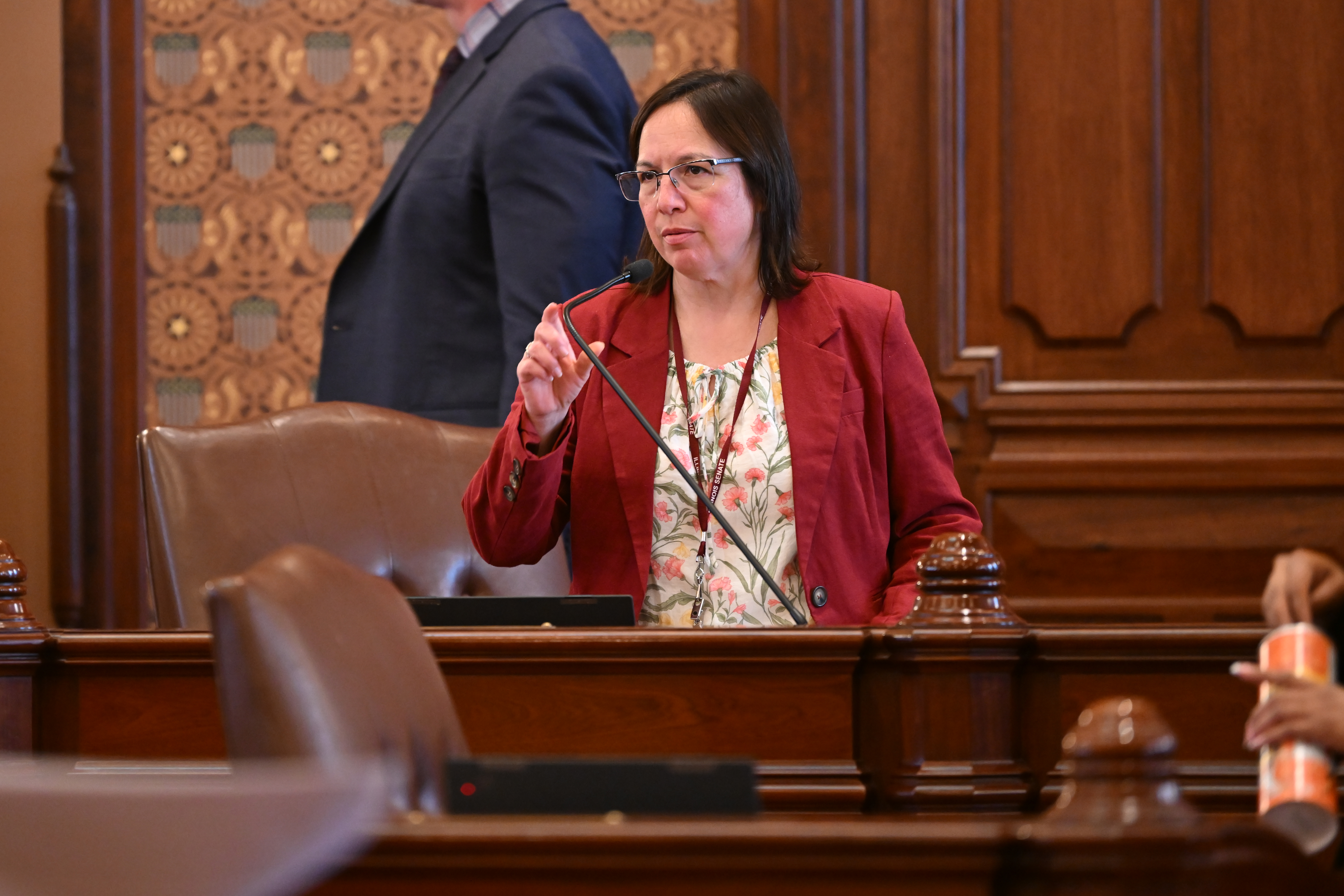
SPRINGFIELD — Vision care plan enrollees could soon have increased access to more providers under a measure led by State Senator Cristina Castro.
“Illinois took an important first step by regulating vision care plans, but it is clear that loopholes remain. When vision care organizations are allowed to ignore the law, patients lose choice and small businesses are weakened,” said Castro (D-Elgin). “This legislation would ensure compliance, transparency and accountability so health and vision care decisions are made by patients and their doctors, not by insurance companies or third parties.”
Vision care organizations are third-party entities that administer vision insurance benefits, negotiate provider networks, and determine reimbursement rates and coverage policies on behalf of insurers, employers or other health plans. Over time, vision care organizations have gained control of the vision care marketplace. The two largest companies control approximately 85% of all U.S. vision coverage and are vertically integrated, meaning they administer vision plans while also owning eyewear manufacturing. This practice puts small and local eye clinics out of business, discouraging competition.
Current law regulates vision benefits and vision care plans but not vision care organizations – leading Castro to champion a measure to protect patients and the coverage they rely on.
Senate Bill 3707 would create a regulatory framework for vision care organizations in the state. The legislation would include patient and provider protections, including providing enrollees with more freedom to choose in-network providers without influence from vision care organizations and preventing vision care organizations from retaliating against eye care providers.
“Monopolizing any kind of care that the public relies on is unethical,” said Castro. “Protecting small providers and patients from unethical practices is the priority with this bill.”
Senate Bill 3707 passed the Senate Executive Committee last Wednesday.
More Articles …
Page 6 of 129
Welcome
Dear Friends,
Thank you for visiting my legislative website. It is my honor to serve the citizens of the 22nd Senate District in the Illinois General Assembly. On this website, you can learn a little bit about me, my record in the General Assembly and the services I can provide you.

State Senator Cristina Castro
Majority Caucus Whip
22nd Senate District

Follow Sen. Castro



e-Newsletter Signup
Contact Info
District Office:
164 E. Chicago St.
Suite 201
Elgin, IL 60120
847-214-8864 phone
Springfield Office:
507 Capitol Building
Springfield, IL 62706
217-782-7746 phone


